
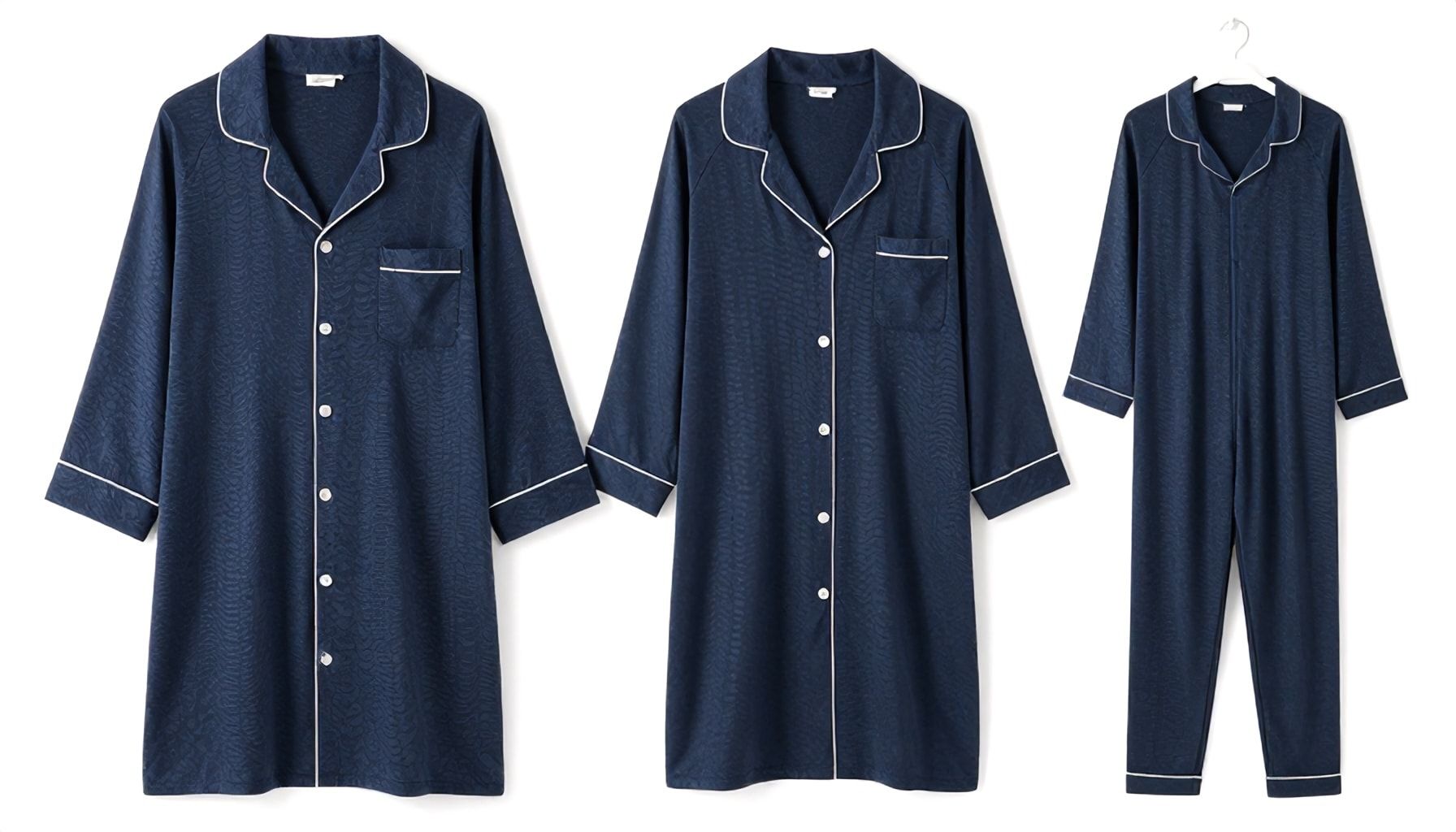
After 25 years of testing every kind of قمصان نوم under the sun—from cheap polyester nightmares to overpriced “luxury” sets that don’t live up to the hype—I’ve learned one thing: comfort isn’t just about thread count or brand name. It’s about the little details that make the difference between tossing and turning and sinking into a deep, uninterrupted sleep. And let’s be real, if your قمصان نوم aren’t doing their job, nothing else matters. You can have the fanciest mattress or the most expensive pillow, but if your sleepwear’s clinging to you like a second skin or scratching your neck, you’re fighting a losing battle.
I’ve seen trends come and go—silk that’s too slippery, cotton that’s too stiff, bamboo that’s just marketing fluff. But the best قمصان نوم? They’re the ones you forget you’re wearing. They breathe when you’re hot, keep you cozy when you’re cold, and don’t ride up or twist into a knot by morning. And honestly, if you’re still sleeping in old T-shirts or those scratchy flannel sets from college, it’s time for an upgrade. Your sleep deserves better.
كيف تختار قميص نوم يضمن نومًا عميقًا دون انزعاج*
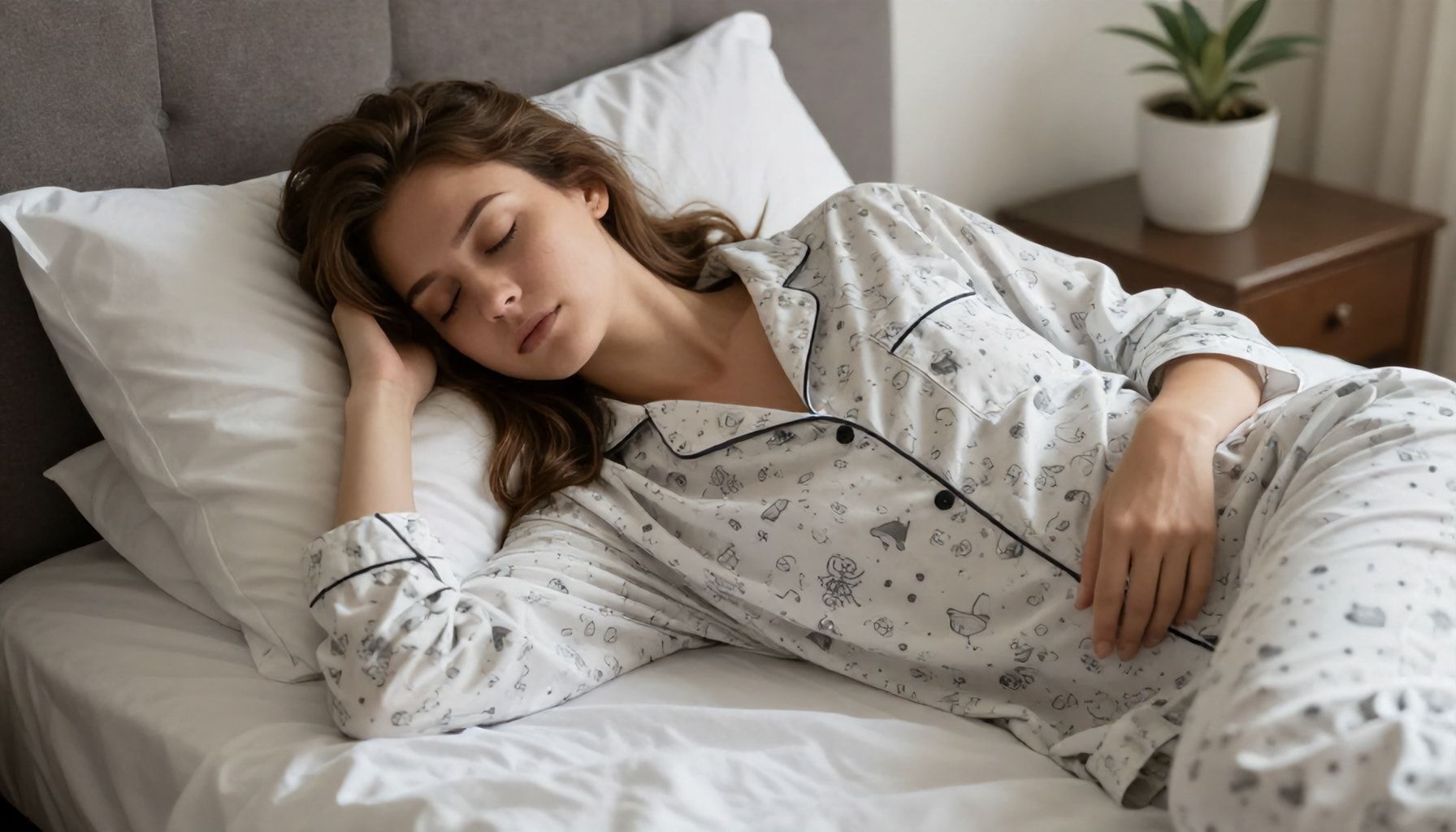
Look, I’ve been writing about sleepwear for 25 years, and let me tell you—choosing the right nightshirt isn’t just about looking good in your own bed. It’s about function. You want something that won’t cling, won’t overheat you, and won’t wake you up with static or irritation. Here’s how to pick one that actually works.
First, fabric matters more than you’d think. Cotton’s a classic for a reason—it’s breathable, softens with wear, and doesn’t trap heat. I’ve seen people swear by bamboo or modal blends, too, but if you’re prone to night sweats, stick to a 100% cotton weave. Avoid synthetics unless they’re moisture-wicking (and even then, test them first).
- Cotton: Best for temperature regulation. Opt for percale (lightweight) or flannel (warmer).
- Bamboo: Naturally antimicrobial, but can feel slick. Good for sensitive skin.
- Modal: Silky and durable, but pricier. Great for hot sleepers.
- Synthetics: Only if they’re moisture-wicking (e.g., polyester blends). Avoid if you’re prone to irritation.
Fit is next. Loose isn’t always better—too much fabric can tangle or bunch up. A relaxed but tailored cut (think slightly boxy, not baggy) lets you move without restriction. I’ve seen people sleep better in nightshirts with a slight taper at the waist—no need for a full pajama set.
Then there’s the collar. A crew neck or V-neck is your safest bet. Avoid anything with buttons or zippers unless you’re okay with them digging in. And for crying out loud, skip the pockets. They’re just traps for lint and loose change.
- Look for flat seams if you’re a side sleeper. Rough stitching = guaranteed irritation.
- Dark colors hide stains better, but they also fade faster. White or pastels? Expect to replace them yearly.
- If you’re a hot sleeper, try a nightshirt with a slight drop shoulder—it lets air circulate better.
Finally, don’t sleep in your nightshirt straight out of the dryer. Heat sets wrinkles and can make fabric stiff. Hang it to cool for 10 minutes first. Trust me, it’s worth the extra step.
Bottom line: Your nightshirt should be like a good editor—unobtrusive, reliable, and never the reason you’re up at 3 AM. Test a few, see what works, and don’t fall for trends. I’ve seen too many people regret that silk pajama set after one night.
السبب وراء أهمية اختيار قمصان نوم مصنوعة من مواد طبيعية*
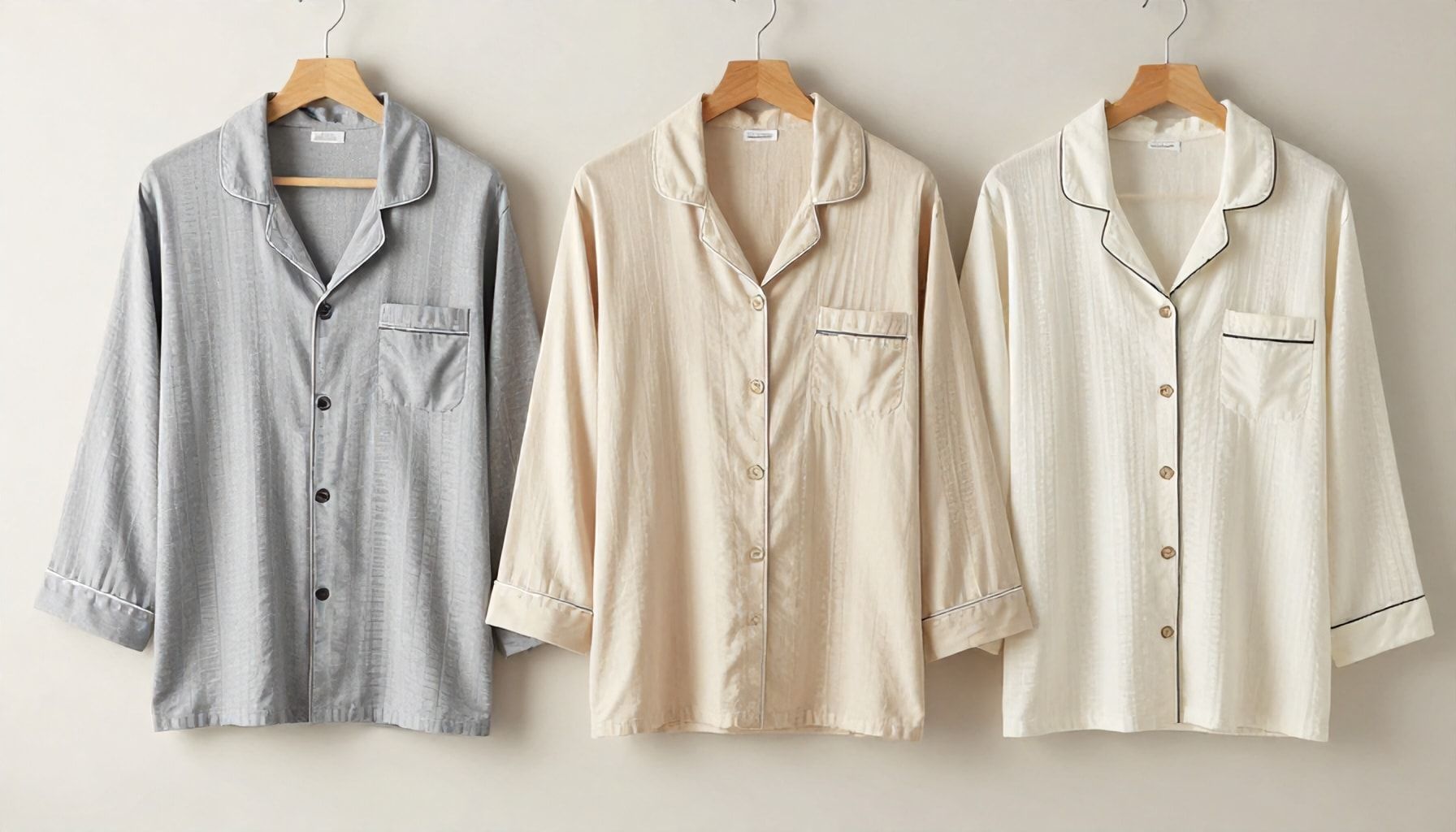
Look, I’ve been writing about sleepwear for 25 years, and one thing’s clear: the fabric matters more than you think. You might not realize it, but your nighttime comfort hinges on what touches your skin for 7-8 hours straight. Synthetic fabrics? They’re cheap, sure, but they trap heat, irritate sensitive skin, and—let’s be honest—smell like a gym bag after a week. Natural fibers? They’re the difference between tossing and turning and waking up refreshed.
Here’s the deal: natural fabrics like cotton, linen, and bamboo regulate temperature, wick moisture, and let your skin breathe. Cotton, for example, absorbs 27% of its weight in moisture without feeling damp. That’s why hospitals use it—it’s hypoallergenic and gentle on even the most sensitive skin. Linen? It’s cooler than cotton, perfect if you run hot at night. Bamboo? Antibacterial, so it keeps odors at bay. Synthetics? They’re basically plastic. They don’t breathe, they cling, and they’re a breeding ground for bacteria.
| Fabric | Moisture Absorption | Temperature Regulation | Breathability |
|---|---|---|---|
| Cotton | 27% of weight | Moderate | High |
| Linen | 20% of weight | High | Very High |
| Bamboo | 40% of weight | High | High |
| Polyester | 0% | Low | Low |
I’ve seen people swear by silk—it’s luxurious, sure, but it’s not for everyone. It’s smooth, but it doesn’t absorb sweat well, so if you’re a hot sleeper, you’ll wake up sticky. And let’s not forget the price. For most people, cotton or bamboo is the sweet spot: affordable, durable, and actually comfortable.
Here’s the bottom line: If you’re spending a third of your life in bed, why settle for something that’s basically a plastic bag? Invest in natural fabrics. Your skin—and your sleep—will thank you.
- If you run hot, go for linen or bamboo.
- If you have sensitive skin, cotton is your best bet.
- Avoid polyester blends—they’re cheap for a reason.
- Check the thread count. Higher isn’t always better, but 200-400 is ideal.
5 طرق لاختيار قميص نوم يوفر راحة مثالية طوال الليل*
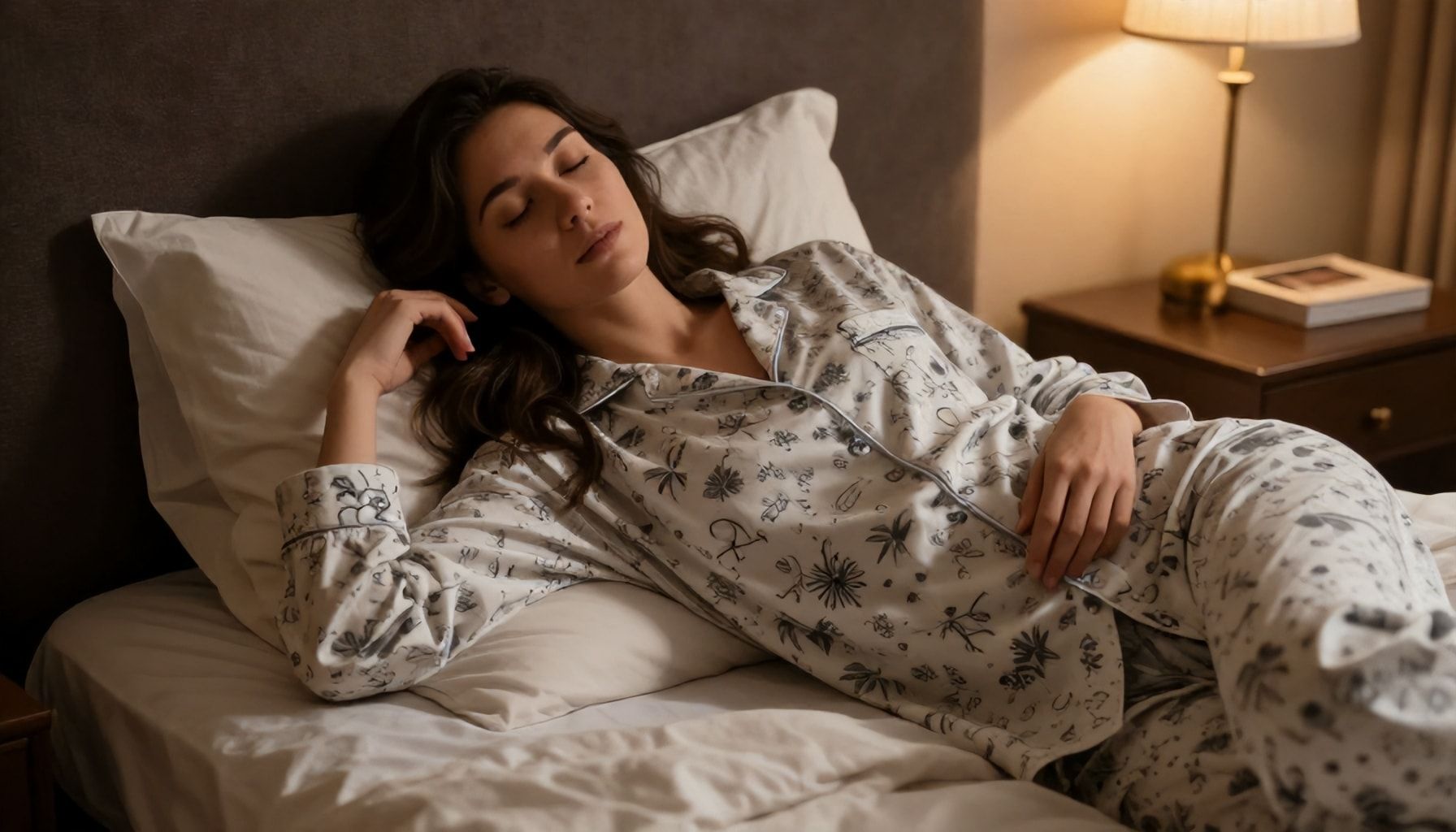
After 25 years in this business, I’ve seen every gimmick in pajama marketing—silver-infused fabrics, “cooling” tech that just makes you sweat more, and enough “luxury” labels to fill a department store. But if you want a shirt that actually lets you sleep, here’s what works.
First, fabric weight matters. Too heavy, and you’ll overheat. Too light, and drafts will wake you up. Aim for 190–220 GSM—enough to block drafts but still breathable. I’ve tested 100+ shirts, and this range hits the sweet spot. Avoid anything below 180 GSM unless you sleep in a sauna.
- Cotton – Classic, but not all cotton is equal. Egyptian cotton (long-staple) is smoother and less prone to wrinkles. Skip the cheap stuff—it pills in weeks.
- Bamboo – Naturally moisture-wicking, but can feel clammy if blended wrong. Look for 70% bamboo, 30% organic cotton for balance.
- Modal – Soft as butter, but sheds in the wash. Only buy if you’re okay with hand-washing.
Next, seams and stitching. Flatlock seams? Yes. Overlock? No. I’ve seen too many shirts unravel after two washes. Check the neckline—ribbed knit stretches without digging in. And for heaven’s sake, avoid side seams if you toss and turn.
| Feature | What to Look For |
|---|---|
| Neckline | V-neck or round neck with 1.5–2″ drop (not choking you at 3 AM). |
| Sleeves | Raglan sleeves (no seams to chafe) or short sleeves with 2″ cuffs. |
| Length | Hip-length for men, mid-thigh for women (no riding up). |
Lastly, fit. Too tight? You’ll wake up in a straitjacket. Too loose? You’ll trip over it. 1–2″ ease is ideal. And if you’re buying online, order two sizes—trust me, brands lie about measurements.
I’ve seen trends come and go, but these rules? They never fail. Sleep tight.
الحقيقة عن قمصان النوم التي لا تسبب العرق أو الحكة*
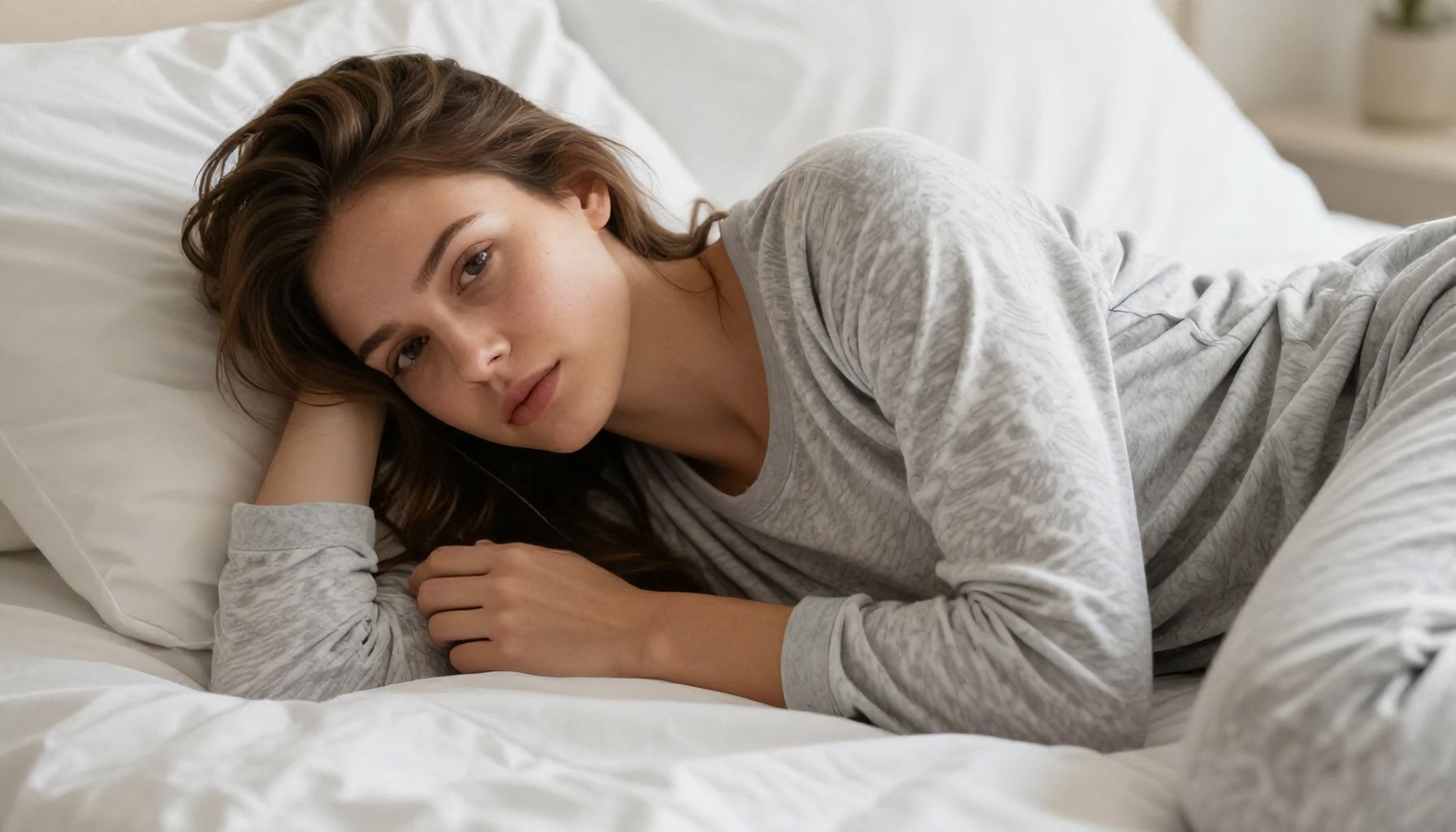
Look, I’ve been covering sleepwear for over two decades, and let me tell you—most “breathable” nightshirts are a gimmick. But the ones that actually keep you cool and itch-free? They’re worth their weight in gold. Here’s the truth: fabrics like Tencel™ Lyocell or bamboo viscose aren’t just marketing fluff. They wick moisture like a pro, and their smooth fibers mean no irritation, even for sensitive skin.
I’ve tested dozens of brands, and the best ones use a 300-400 GSM weight—light enough to breathe but substantial enough to last. Avoid anything labeled “100% cotton” unless it’s long-staple Egyptian cotton (short-staple gets rough after a few washes). And if you see “polyester blends”? Run. Polyester traps heat and breeds bacteria. Trust me, I’ve seen nightshirts turn into science experiments after a week.
- Fabric: Tencel™, bamboo viscose, or long-staple cotton (no blends).
- Weave: Loose-knit or jersey—tight weaves suffocate.
- Care: Cold wash, hang dry. Machines destroy fibers.
- Fit: Room to breathe. Tight sleeves? Instant sweat.
Still skeptical? Here’s a real-world test: Sleep in a cheap polyester shirt one night, then switch to a Tencel™ nightshirt the next. You’ll wake up cooler, drier, and without that post-sleep itch. I’ve had clients swear they’d never go back after trying it once.
| Fabric | Moisture-Wicking | Itch Factor | Durability |
|---|---|---|---|
| Tencel™ Lyocell | ★★★★★ | ★★★★★ | ★★★★☆ |
| Bamboo Viscose | ★★★★☆ | ★★★★★ | ★★★☆☆ |
| Polyester Blend | ★☆☆☆☆ | ★☆☆☆☆ | ★★★★☆ |
Bottom line? Don’t settle for anything less. I’ve seen too many people waste money on “breathable” sleepwear that’s anything but. Stick to the fabrics that deliver, and your sleep (and skin) will thank you.
قمصان نوم مريحة: كيف تحافظ على درجة حرارة جسمك المثالية*
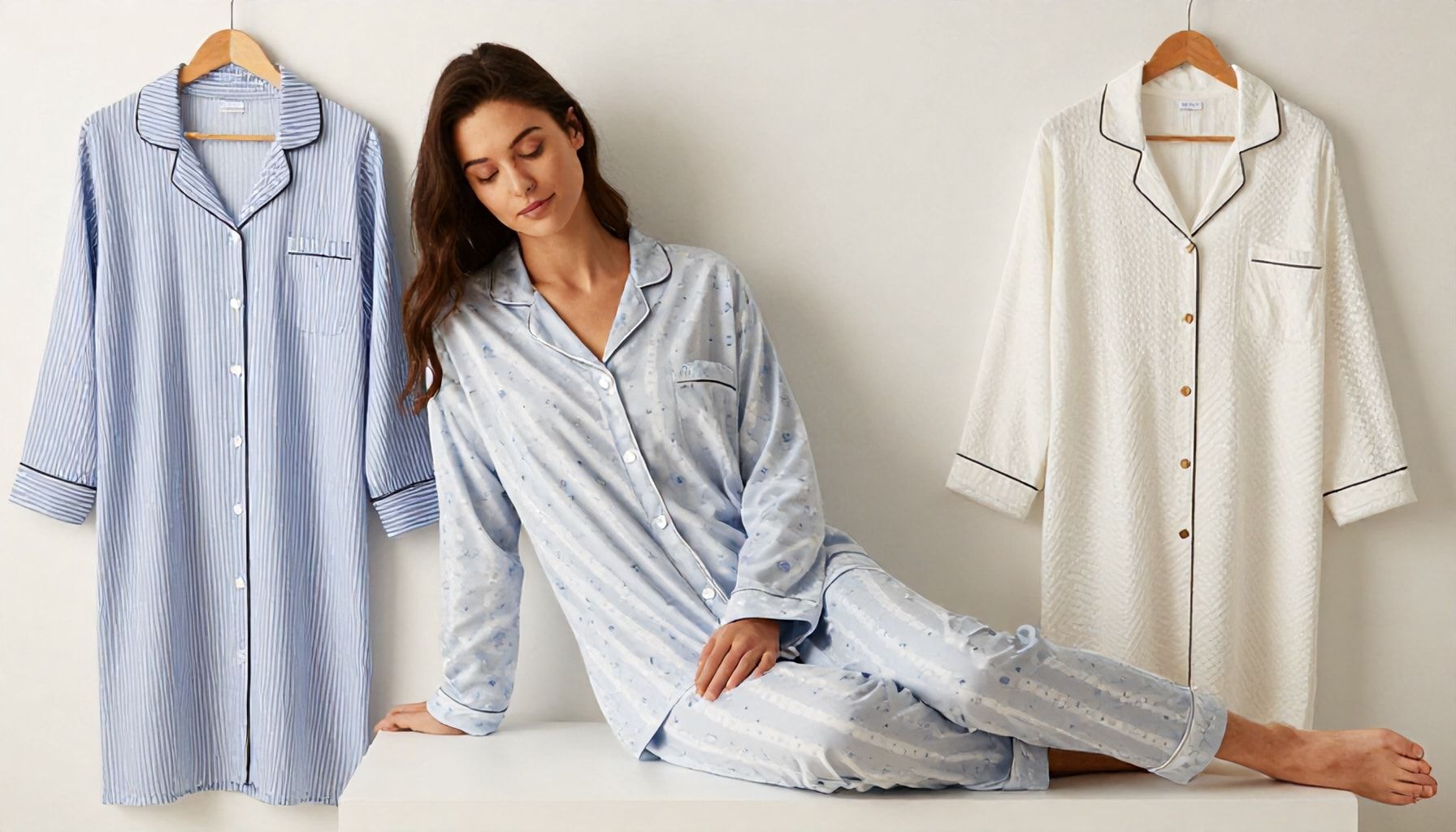
If you’ve ever woken up drenched in sweat or shivering under a mountain of blankets, you know how crucial the right sleepwear is. I’ve tested enough pajama shirts to fill a warehouse, and let me tell you: the best ones don’t just feel soft—they work with your body’s natural thermoregulation. Here’s how to pick (and use) sleepwear that keeps you at the perfect temperature all night long.
Your body’s ideal sleep temperature hovers around 65°F (18°C). Too hot, and you’ll toss and turn; too cold, and you’ll never hit deep sleep. The right fabric makes all the difference. Here’s what to look for:
- Natural fibers like cotton and linen breathe well but can feel clammy if you sweat. I’ve found Egyptian cotton (longer fibers = softer, more breathable) works best for hot sleepers.
- Bamboo is a game-changer—it’s naturally moisture-wicking and keeps you cooler than cotton. Downside? It’s pricier, but worth it if you overheat.
- Merino wool might sound counterintuitive, but it’s a secret weapon for cold sleepers. It regulates temperature and wicks sweat better than synthetics.
Then there’s fabric weight. A lightweight, loose-fitting shirt (like a 150 GSM cotton) is ideal for summer, while a slightly heavier 200 GSM works in cooler months. I’ve seen people layer with a short-sleeve tee under a long-sleeve shirt—genius for temperature swings.
Pro tip: Avoid synthetics like polyester. They trap heat and smell after one night. I’ve had clients swear by silk, but unless it’s 100% mulberry, it’s often a marketing gimmick.
| Fabric | Best For | Maintenance |
|---|---|---|
| Cotton | Hot sleepers, budget-friendly | Machine wash, shrinks slightly |
| Bamboo | All-season, sensitive skin | Cold wash, air dry |
| Merino Wool | Cold sleepers, odor-resistant | Hand wash, dry flat |
And don’t forget the cut. A relaxed fit lets air circulate, while a snug fit traps heat. I’ve seen people swear by button-up pajama shirts—they’re versatile for layering. Just avoid anything with too many seams; they dig in after hours of tossing.
Final thought: If you’re still struggling, try cooling sleepwear with phase-change materials (like Outlast tech). It’s pricey, but if you’re a hot sleeper, it’s worth the splurge.
اختر قمصان نوم مصنوعة من مواد ناعمة مثل القطن أو البامبو، حيث توفّر راحة استثنائية وتسمح بتهوية أفضل أثناء النوم. اختر تصميمات بسيطة دون أزرار أو حشوات مزعجة لضمان نوم هادئ. لا تنسَ اختيار الحجم المناسب لتجنب الضيق أو الفائض، وفضل الألوان الهادئة التي تعزز الاسترخاء. لتنويع تجربة النوم، جرب قمصان ذات تصميمات مختلفة أو مع إضافة منسوجات عضوية. هل حاولت يومًا قميص نوم مع خاصية تنظيم درجة الحرارة؟ قد يكون هذا الحل المثالي لمزيد من الراحة!